Blog
NELK
The “Creative” Manipulation of Human Memory by AI
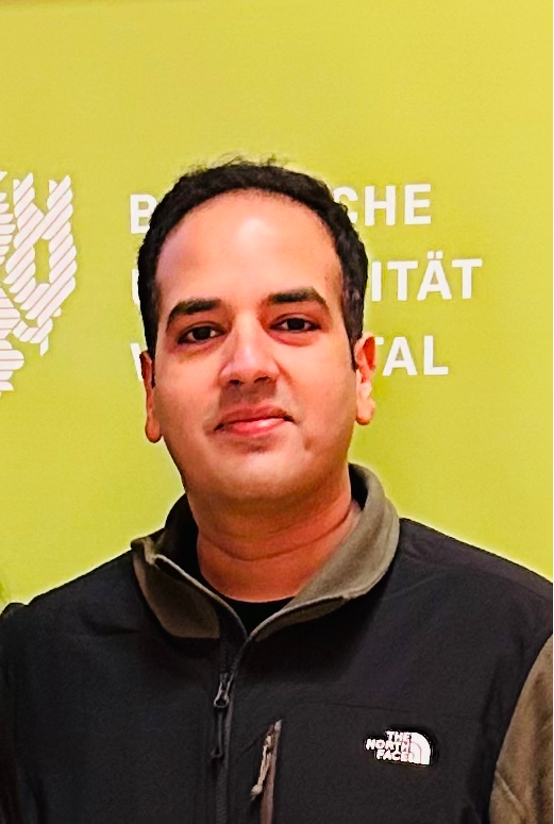
Guest lecture by Amar Singh (Banaras Hindu University)
November 19, 2024, 4.15 pm
Campus Westend, Casino 1.812
The vast amount of data that is readily uploaded through the internet and cloud computing and made accessible to the public has produced a substantial archive of information, which requires the excavation from artificial intelligence now to allow the biological memory to cope with overinformation that it is unable to accommodate by itself. Nevertheless, this emerging technology in the form of artificial intelligence is no longer innocuous. It is capable of not only supplementing human memory in the form of supporting it but also manipulating and even replacing it. This leaves us with more questions than answers concerning the nature of memory regarding human understanding and creativity when dealing with the electronic species capable of exerting influence largely independent of any human involvement.
The discussion here will focus on cinema, which could be considered a repository of human memory to address questions of this nature. Cinema has always sought to position itself as an “intellectual robot" (Jean Epstein) equipped with a “kino-eye" (Dziga Vertov) capable of revealing things that humans may never be able to discern on their own. Nevertheless, cinema has so far been subject to the controlled manipulation of humans. Nonetheless, AI has enabled the intellectual robot to become free, as can be seen in the work of AI Benjamin, a scriptwriter for a few films, whose vision was then interpreted by actors. When given the opportunity, AI Benjamin wrote, directed, and even “acted" in Zone Out, a film prepared from open-source data of online films. Is there anything creative about what AI Benjamin did with its algorithmic manipulation and what it means for human memory when interacting with an active “new memory?"
TEFL
Events
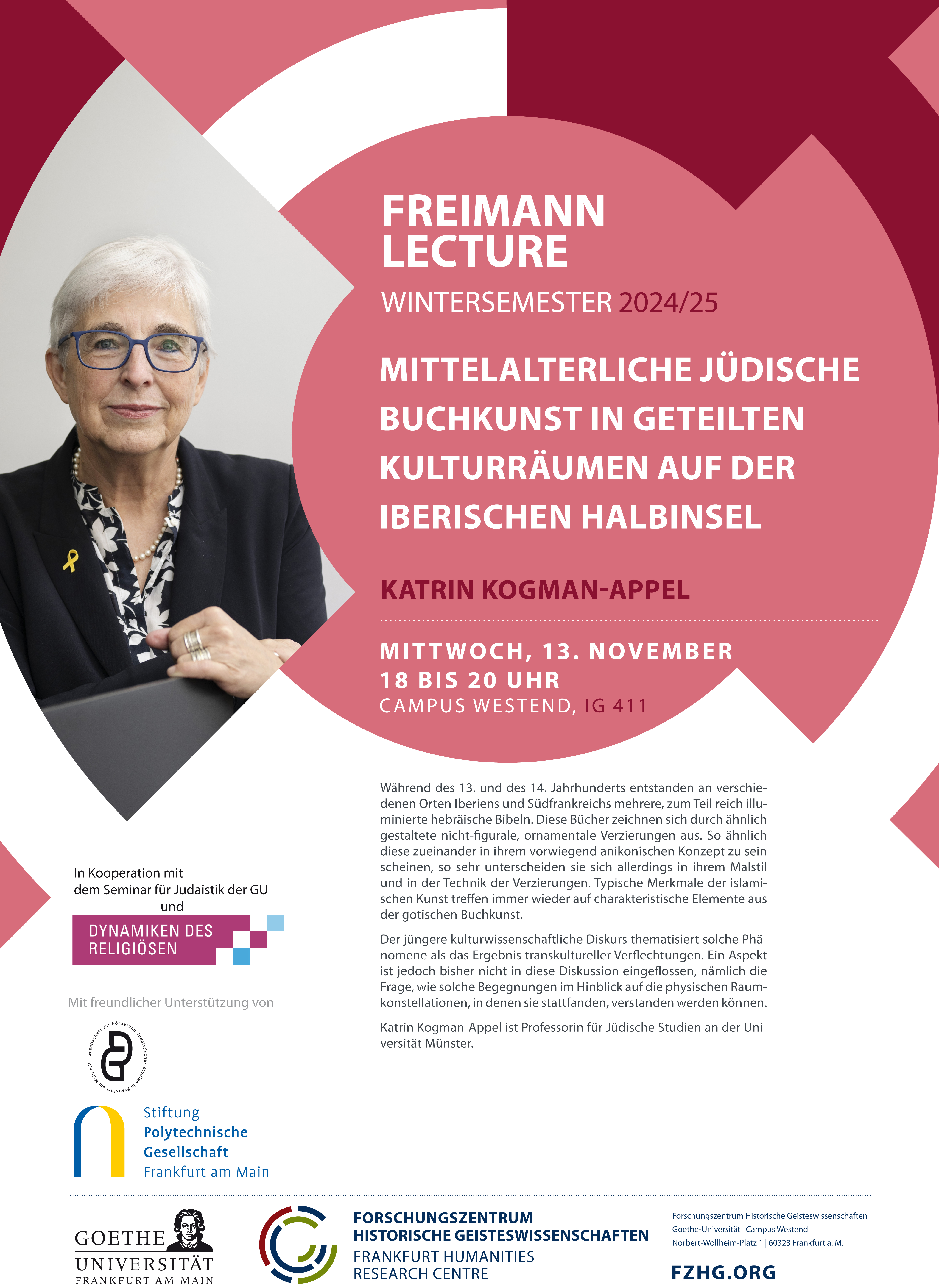
Der jüngere kulturwissenschaftliche Diskurs thematisiert solche Phänomene als das Ergebnis transkultureller Verflechtungen. Ein Aspekt ist jedoch bisher nicht in diese Diskussion eingeflossen, nämlich die Frage, wie solche Begegnungen im Hinblick auf die physischen Raumkonstellationen, in denen sie stattfanden, verstanden werden können.
Katrin Kogman-Appel ist Professorin für Jüdische Studien an der Universität Münster.
NELK
Sanctioned Migration and the Figure of the Trespasser
Guest lecture by Prof.Dr. John McLeod(Leeds)
Room IG 311
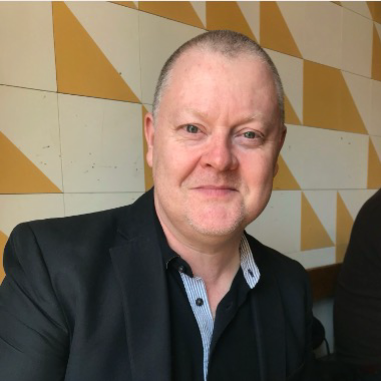
John McLeod is Professor of Postcolonial and Diaspora Literatures at the University of Leeds, UK. He is the author of Global Trespassers: Sanctioned Mobility in Contemporary Culture (LUP, 2024), Life Lines: Writing Transcultural Adoption (Bloomsbury, 2015), Postcolonial London: Rewriting the Metropolis (Routledge, 2004), and Beginning Postcolonialism (MUP, 2000), as well as co-editor of the Ohio State University Press book series, 'Formations: Adoption, Kinship, and Culture'.
More on the Forum of Global Anglophone Literatures and Cultures: